 |
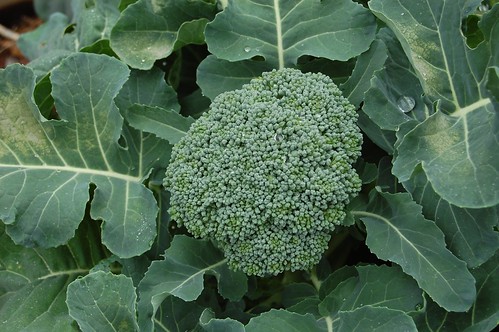
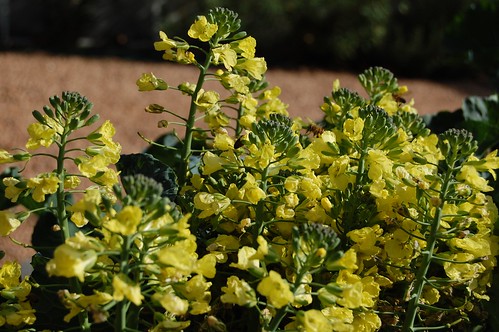
| Headless broccoli. All that green but nothing to eat. |
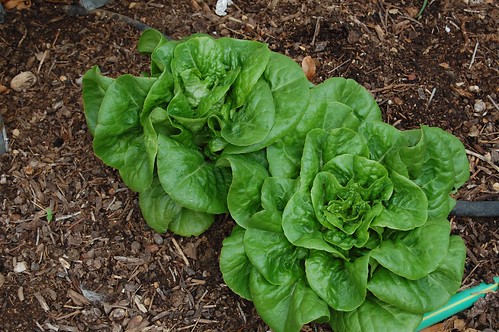
Butter head lettuce. Beautiful. As you can tell we haven't harvested many leaves from them. We've been enjoying spinach instead.
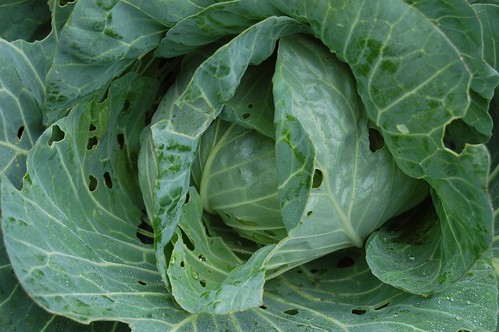
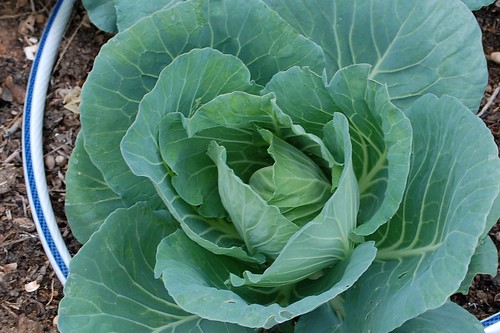
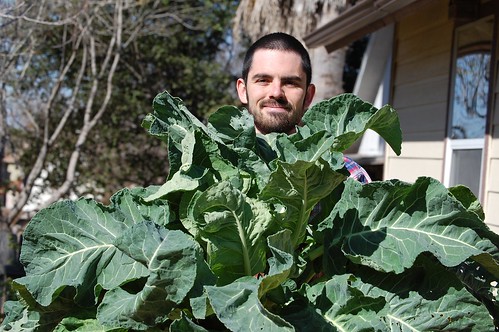
Cabbage. The head was small, once again due to a lack of fertilizer.
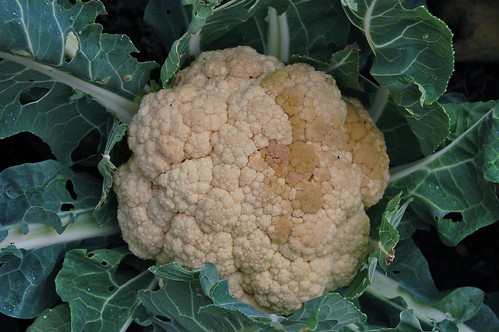
Cauliflower with a bit of discoloration. I have have no idea why it has the dark spots. They developed after a rainy freeze. The taste and texture were fine.
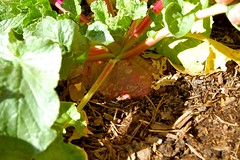
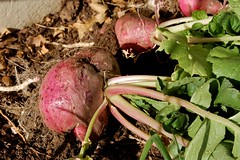
Radishes, also victims of neglect. I was excited when I planted the seeds in October, but the plants matured so quickly and I got so busy, I didn't keep up with harvesting duties. Radishes this big bite back.
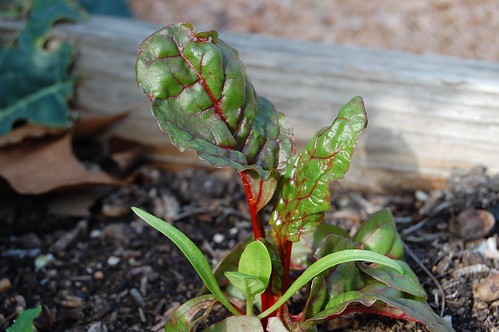
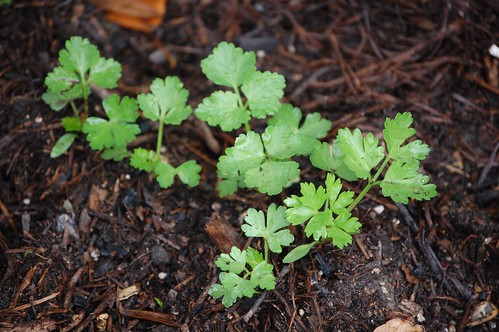
Swiss chard. I don't really like chard, but I like the way it looks. The little plant in front is spinach. Its first leaves look nothing like its baby leaves, which mature into giant wrinkly leaves that look similar to the chard's.
 |
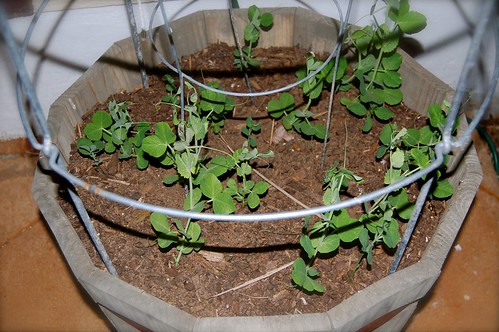
Sugar snap peas. These are my favorite! They are so sweet and crunchy. At the time that I needed to plant them, I didn't have any available garden space so I put them in a half whiskey barrel on the porch. Once the vines take off next month they will easily grow to the top of the tomato cage and the extension piece that I haven't added yet. Pea flowers are pretty and fragrant. I mixed the traditional white fruiting variety with some ornamental pastel ones. I'm looking forward seeing the edible topiary they create.
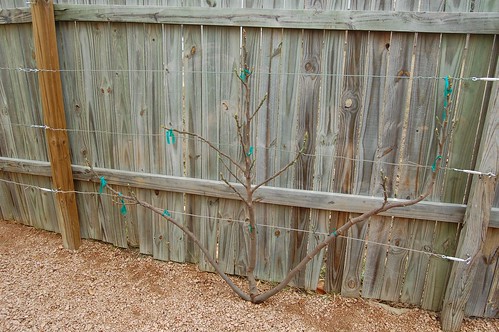
A few of my plants are riding out the winter, waiting for their fruiting seasons. Fig.
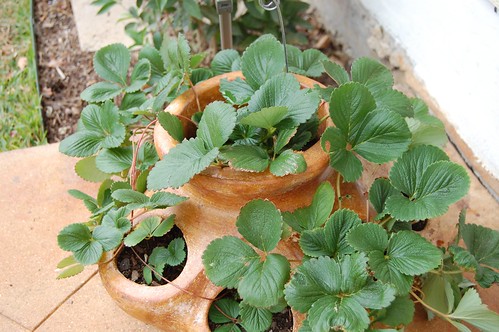
Strawberries
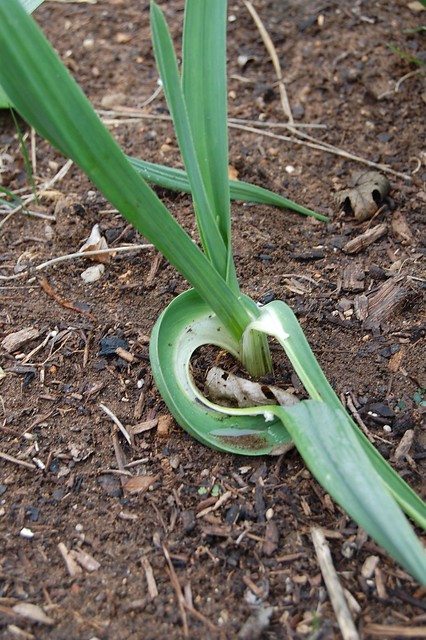
Garlic. Not the greatest picture. I was trying to capture the interesting twist in the foliage. I've seen that type of random twisting in the scapes the plant sends up in the summer, but I've never noticed it on the foliage before.
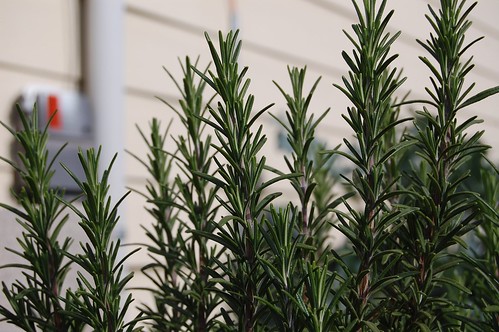
I also have some ever-present herbs. Rosemary.
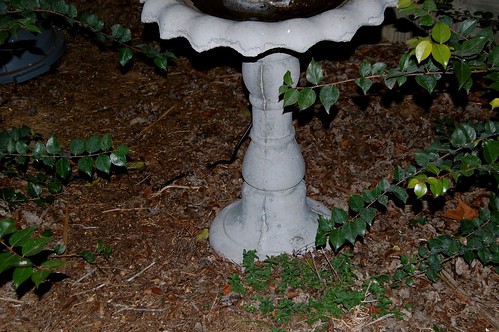
Marjoram. It's very convenient to have a little of this available for cooking. Greek Oregano has a better flavor, but mine dried up in a pot this summer. The marjoram survived so I transplanted it into the yard.
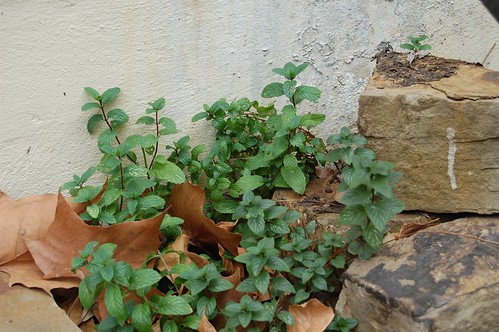
Two types of mint: chocolate (in the center) and spearmint (against the wall).
My mint colony is extremely vigorous (aka invasive), but for the winter, its only bastion of foliage is in the corner close to the air conditioner drip. Don't be deceived however; runners are all over its bed. Even with with Oklahoma chopped rock and decayed granite surrounding the bed, I still have to be vigilant during the growing season to catch any runners trying to sneak out of the corral. I thin my mint heavily twice year and I've managed to keep it where I want it. If I ever let up though, I know I will regret it. It's one garden chore, I can't neglect.